We appreciate the passion and hard work you pour into your music. As part of our commitment to transparency, we want to share some important information about minimum payout thresholds—a common practice across digital music platforms.

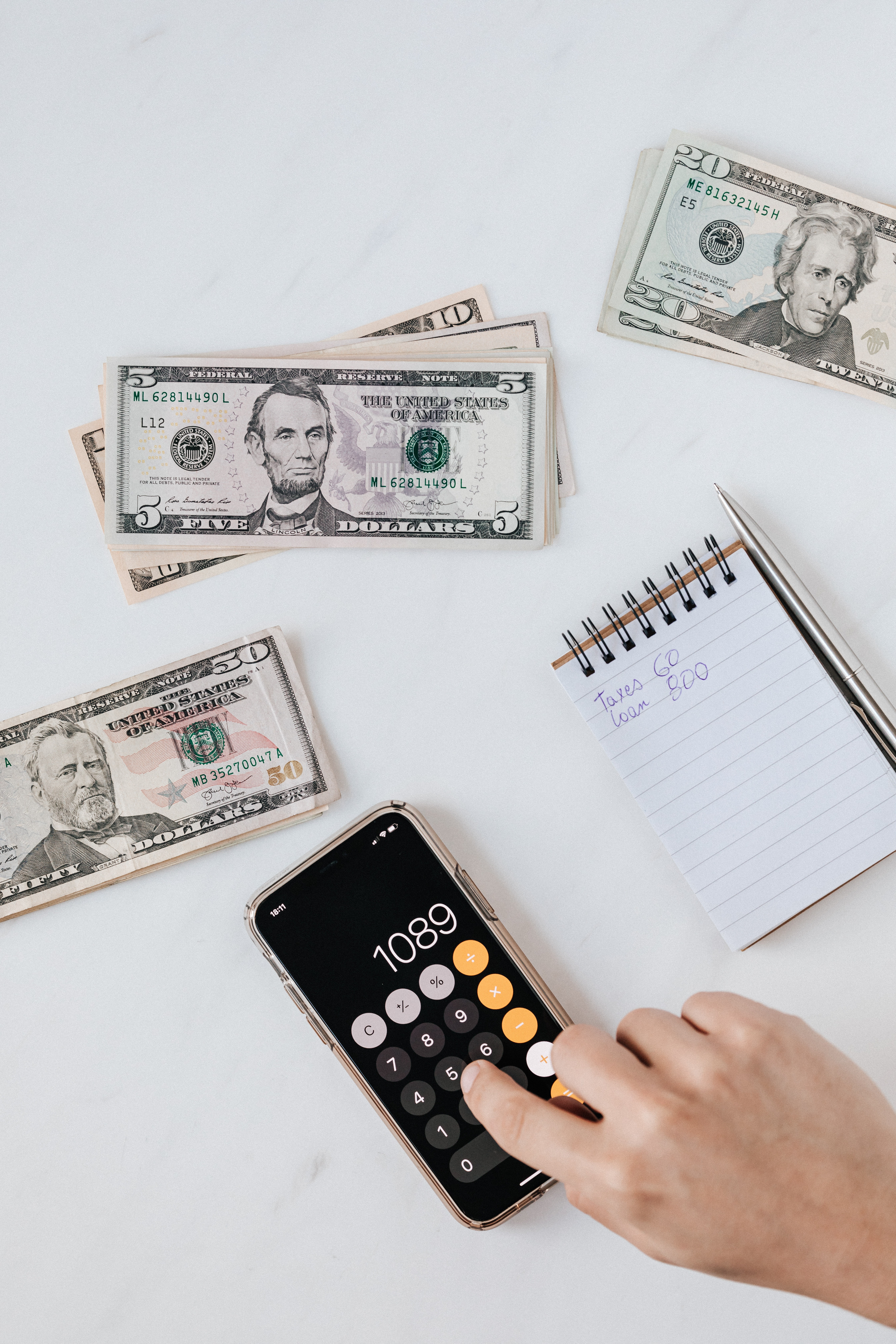
A minimum payout threshold refers to the minimum amount of earnings you must accumulate before payments are processed. These thresholds are set to manage payment processing fees, ensuring transactions remain efficient and cost-effective. We increase temporarily minimum payouts to $500.

However, we recognize that timely access to your earnings is crucial for reinvesting in your creative projects. As part of ongoing improvements, we’re actively reviewing our payout policies to better serve independent artists like you.

Thank you for being a valued member of our community. We are dedicated to providing tools and resources that help you thrive in your musical journey.

Stay tuned for more updates!

In the ever-evolving world of music streaming, artists and labels rely on platforms to showcase their work and earn royalties. However, the rise of artificial streaming has introduced challenges that compromise the integrity of the industry. In this post, we explain why accounts may be blocked and payments withheld when fraudulent activity is detected, and how creators can avoid these pitfalls.

Understanding Artificial Streaming

Artificial streaming refers to any attempt to manipulate play counts, follower numbers, or engagement metrics using deceptive tactics. Streaming platforms have strict policies against such practices, as they distort the true popularity of content and disrupt the fair distribution of royalties.

Examples of artificial streaming include:

  • Using bots or automated systems to generate fake streams.
  • Hiring click farms or other third-party services that promise to boost play counts or followers.
  • Manipulating algorithms to falsely enhance the performance of music.

Why Accounts Are Blocked

When artificial streaming is detected, platforms may take immediate action to block the associated account. This is necessary to protect the fairness of the music ecosystem and ensure compliance with industry standards and regulations. Account blocks help maintain trust with genuine artists and audiences while discouraging dishonest practices.

Why Payments Are Withheld

Royalties are intended to reward authentic engagement. Payments for streams that result from fraudulent activity are withheld because:

  • Major streaming platforms and royalty organizations do not compensate for fake or artificially inflated streams.
  • Artificial streams violate terms of service, making them ineligible for payment.

Holding payments in such cases is essential to ensure that revenue distribution reflects legitimate listens and true audience interest.

What to Do if Your Account Is Blocked

If your account has been blocked, and you believe it was done in error:

  1. Contact Support: Reach out to the platform with detailed information and supporting evidence that verifies the authenticity of your streams.
  2. Provide Documentation: Share data or reports demonstrating how your audience was built organically.
  3. Await Review: A thorough investigation will be conducted, and a resolution will be provided.

Note: If fraudulent activity is confirmed, the account may remain permanently blocked, and withheld payments will not be released.

How to Avoid Artificial Streaming

To prevent issues with artificial streaming, follow these best practices:

  • Avoid third-party services that guarantee streams or followers in exchange for payment.
  • Focus on organic marketing strategies, such as engaging with fans through social media, email newsletters, and live performances.
  • Use legitimate promotional tools provided by reputable platforms to grow your audience.

Our Commitment to Fair Play

We are dedicated to fostering a transparent and ethical music environment where artists can thrive. By adhering to authentic growth strategies and avoiding artificial streaming, creators can build lasting careers rooted in genuine fan support.

Artificial streaming undermines the music industry’s integrity. Let’s work together to promote fairness, transparency, and authentic artistry.


Deugene Music is a music label and international digital distribution service that enables artists to self-publish their music on various streaming platforms, including Spotify, Apple Music, YouTube, and more.

Key Features:

  • Free to Join: Artists can register and start delivering their music without upfront costs. Deugene Music retains a 20% administrative fee from earnings generated through sales and claims made with uploaded tracks.
  • Wide Platform Reach: Distributes music to numerous streaming sites, enhancing visibility and accessibility for artists.
  • Additional Services: Offers playlist pitching and other promotional tools to help artists gain traction in the competitive music industry.

Music releasing between November 29, 2024, and January 3, 2025, remember to check the following delivery deadlines. Due to the high volume of deliveries and updates we receive during this time of year, we do not recommend making changes between December 20 and December 27, 2024.

Music delivered after these deadlines may not be available on the desired release date.

Release Date > Delivery Deadline

November 29, 2024 > November 22, 2024
December 6, 2024 > November 22, 2024
December 13, 2024 > December 6, 2024
December 20, 2024 > December 13, 2024
December 27, 2024 > December 20, 2024
January 3, 2025 > December 22, 2024

Don’t do stream bot

As an independent artist, it can be tempting to take shortcuts to gain exposure and increase your streaming numbers. However, using stream bot services is not the way to go. While it may seem like a quick and easy way to boost your streams, it is important to understand the consequences of such actions.

Using stream bot services violates the terms of service of streaming platforms and can result in severe penalties. These penalties can include having your music removed from streaming platforms, being banned from those platforms, and even legal action. Additionally, streaming platforms have become increasingly sophisticated in detecting fraudulent activity, making it more likely that you will be caught.

Moreover, using stream bot services undermines the integrity of the streaming ecosystem. It artificially inflates your streaming numbers, making it difficult for genuine artists to stand out and for the industry to accurately measure popularity. This can have long-term consequences for your career, as it erodes trust with your audience and industry professionals.

Have a great “product” 

One of the most effective ways to gain exposure as an independent artist is by creating a great product. In the music industry, this means focusing on creating high-quality music that resonates with your target audience. When you put time and effort into crafting your art, it will naturally attract listeners who appreciate your talent and style.

Having a great product goes beyond just the music itself. It also includes your branding, marketing, and overall presentation. Take the time to develop a strong visual identity, create compelling album artwork, and build an engaging online presence. By investing in your brand and image, you will attract genuine fans who are more likely to support your music and share it with others.

Building a loyal fan base takes time and effort, but it is a sustainable and authentic way to grow your career. Focus on creating music that you are proud of, engage with your fans, and provide them with value. When you have a solid foundation of genuine supporters, you will see your streaming numbers grow organically.

Responsibilities of fraud

Engaging in streaming fraud not only harms your own career, but it also has broader implications for the music industry as a whole. It is important to understand the responsibilities that come with being an independent artist and the impact your actions can have on others.

Streaming fraud undermines the credibility of streaming platforms and the trust that fans place in the charts and rankings. When artists manipulate their stream numbers, it skews the perception of what is popular and deserving of attention. This can lead to talented artists being overlooked and potentially discourage them from pursuing their dreams.

Furthermore, streaming fraud affects other independent artists who are trying to build their careers legitimately. It creates an uneven playing field where artists who engage in fraudulent practices can appear more successful than they actually are. This not only diminishes the hard work and talent of genuine artists but also makes it more difficult for them to gain recognition and opportunities.

As independent artists, it is our responsibility to uphold the integrity of the music industry. By focusing on creating great music, engaging with our fans, and supporting other artists, we can contribute to a vibrant and fair ecosystem that benefits everyone.

Distributors will not pay you for fraud plays

While it may be tempting to use stream bot services to boost your streaming numbers, it is important to understand that distributors will not pay you for fraudulent plays. Streaming platforms have sophisticated algorithms and measures in place to detect fraudulent activity, and they are constantly improving their systems to ensure fair play.

When you engage in stream fraud, you may see a temporary increase in your streaming numbers, but these numbers are not genuine. Distributors and streaming platforms have mechanisms in place to identify fraudulent plays and remove them from your overall statistics. This means that the plays generated by stream bot services will not count towards your royalties or revenue.

In addition to not being paid for fraudulent plays, using stream bot services can also have long-term consequences for your career. As mentioned earlier, engaging in fraudulent activity can result in penalties, such as having your music removed from streaming platforms or being banned from those platforms altogether. This can severely impact your ability to reach and connect with your audience.

Instead of resorting to fraudulent practices, focus on creating high-quality music, building a genuine fan base, and engaging with your audience. By doing so, you will not only grow your career organically, but also have the opportunity to earn royalties and revenue from legitimate plays.

Conclusion

While the allure of quick success and increased exposure may be tempting, engaging in stream fraud is not worth the risks. As independent artists, it is important to build our careers on a foundation of integrity, authenticity, and hard work. By focusing on creating great music, engaging with our fans, and supporting other artists, we can contribute to a thriving and fair music industry.

Instead of relying on fraudulent practices, invest your time and energy into creating a great product that resonates with your audience. Build a loyal fan base, establish a strong visual identity, and utilize effective marketing strategies. By doing so, you will not only see your streaming numbers grow organically, but also have the opportunity to earn royalties and revenue from legitimate plays.

Remember, success in the music industry is a journey, and taking shortcuts may provide temporary gains but can have long-term consequences. Embrace the process, stay true to your art, and let your talent shine. By doing so, you will not only build a sustainable career but also contribute to a vibrant and thriving music community.




Instagram is a great platform for musicians to promote their music and connect with fans. Here are some tips on how to gain new followers on Instagram:

1. Post regularly: Post new content often, ideally several times a week. This keeps your followers interested and engaged.

2. Use hashtags: Use relevant hashtags to help your content get discovered by people who are interested in your style of music. Try to use a mix of popular and niche hashtags.

3. Engage with other users: Comment, like and share other users’ content to build relationships with them and gain exposure to their followers.

4. Collaborate with other musicians: Tag and collaborate with other musicians to expand your reach to their audiences.

5. Post visually appealing content: Post high-quality photos, videos, and graphics of your performances, music, and behind-the-scenes moments.

6. Share exclusive content: Reward your followers with exclusive sneak peeks and behind-the-scenes glimpses of your music-making process, gigs, and creative life.

7. Use Instagram Stories and Reels: Use Instagram’s features to share short, engaging, and interactive content. This helps to keep your followers engaged and interested in your content.

8. Run Instagram ads: Use Instagram’s ad platform to target users who are interested in music within your niche and attract more followers.

9. Attend and post about live events: Share photos and videos from your live events to showcase your performances and build excitement for fans.

10. Host Instagram Live sessions: Host Q&A sessions, tutorials, and live performances to connect with your followers and build relationships.

By following these tips, you can gain new followers on Instagram, build a loyal fan base, and increase your popularity as a musician. Remember to stay consistent with your postings and keep your content fresh and exciting.


Promoting your music on YouTube can be a great way to gain new fans, reach a wider audience and increase your popularity as an artist. Here are ten effective tips to promote your music on YouTube:

1. Create a YouTube channel dedicated to your music. This should be separate from your personal account and fully optimized to showcase your songs, music videos and other content.

2. Make sure your videos are visually appealing with quality images, graphics and animations that reflect the feel of your music. Use proper video editing tools to create a professional and visually engaging video content.

3. Optimize your videos for SEO by using keywords, descriptions, and tags that accurately describe your music content. This helps your videos get discovered more easily by YouTube users.

4. Collaborate with other YouTubers and music covers channels to gain more exposure for your music. This mutually beneficial collaboration can help both parties get more interest from their respective fan bases.

5. Use social media platforms like Facebook, Twitter, and Instagram to promote your YouTube videos and attract a wider audience to your channel.

6. Engage with your audience by responding to comments and questions about your music. This can help to create a loyal fan base that will share your music with their own followers.

7. Release new music videos regularly to keep your audience engaged and interested in your music. Use teaser trailers and other content to build anticipation for your new releases.

8. Use YouTube’s ad platform to promote your music videos and channel to a wider audience. By targeting specific demographics, you can attract more views and subscribers.

9. Create behind-the-scenes content and other exclusive content for your loyal fans. This helps to deepen your connection with your fan base and create a sense of community around your music.

10. Finally, make sure you monetize your YouTube channel by allowing ads and using affiliate links. This can help you earn revenue from your music and gain an income from your YouTube channel.

Implementing these tips can help you promote your music effectively on YouTube and attract a wider audience to your music. Remember, consistency and hard work are the key to success in promoting your content and gaining more followers.


If you’re an independent artist or band looking to promote your music and expand your audience, getting featured on music blogs can be a crucial step to achieving your goals. Here are some music blogs that are open to submissions and could help you to get your music in front of new listeners:

1. Hype Machine –  is a music aggregator that combs through various music blogs to find the latest and greatest tracks. You can submit your music to Hype Machine, and if selected, your track will be shared on blogs and social media.

2. Indie Shuffle –  is a popular blog that features indie music from all over the world. They’re open to submissions and accept email pitches with links to your music.

3. Pitchfork –  is a well-respected music blog that covers underground and alternative music. While they’re known to be selective in their featured artists, they do have a submissions email address that you can send your music to for consideration.

4. The Wild Honey Pie –  is a Brooklyn-based music blog that is known for featuring up-and-coming artists. They have a submissions page on their website where you can submit your music for review.

5. Earmilk –  is a music blog that covers a broad range of genres, including indie, electronic, hip-hop, and more. You can submit your music to Earmilk through their submissions page on their website.

6. Consequence of Sound –  is a comprehensive music blog that features album reviews, concert coverage, and music news. They accept email submissions for review.

7. PopMatters –  is a music and culture blog that focuses on quality writing and in-depth analysis. They’re open to submissions and accept pitches for album reviews, interviews, and feature articles.

Of course, these are just a few options when it comes to finding music blogs that are open to featuring independent artists. It’s important to do your research beforehand and find blogs that align with your musical style and goals. Additionally, it’s key to present your music and pitch in a professional and compelling way, in order to increase the chances of being selected for a feature.

If you want to get your music on Spotify playlists, here are some steps you can take:

1. Create a Spotify for Artists account and claim your profile. This will give you access to listener data and allow you to customize your profile with images, bios, and links to your social media and website.

2. Build your presence on Spotify by uploading your music and promoting it to fans. Encourage your fans to stream your music, save your songs, and follow your profile. The more followers you have, the more likely your music will be noticed by Spotify curators.

3. Submit your music to Spotify playlists using the Spotify for Artists platform. When you submit your music to Spotify curators, make sure to include relevant information about your music, such as genre, mood, and similar artists.

4. Promote your music on social media and other online platforms to drive streams and engagement. Share your music on Facebook, Instagram, and Twitter, and encourage your fans to add your songs to their own playlists.

5. Collaborate with other artists and playlist curators to get your music on their playlists. Reach out to other musicians and music bloggers on social media and offer to collaborate or share each other’s playlists.

6. Finally, be persistent and patient. Getting your music on Spotify playlists can take time, but if you stay committed and focused on your goals, you can build a loyal following and gain more exposure for your music over time.


Music sampling is the practice of using portions of pre-existing songs to create new music. It has been a staple of popular music for decades, with countless iconic songs and hits built around sampled elements. However, the legality of sampling can be a gray area, and it’s important for artists to understand the basics before incorporating samples into their own work.

First and foremost, it’s significant to note that sampling without proper permission is illegal. This means that if you use even a small portion of someone else’s song in your own work, you must obtain legal clearance before distributing that work. Failure to do so can land you in serious legal trouble.

To obtain legal clearance for a sample, you must obtain permission from both the owner of the recorded performance and the owner of the composition itself. This can be a complex process, and often involves negotiating with multiple parties and paying fees for usage rights.

Once legal clearance is obtained, you must also properly credit the original creators of the sampled material. This typically involves listing their name and the name of the original song in the credits or liner notes of your work.

When it comes to actually using a sample in your own work, it’s important to consider the context and purpose of the sample. Simply using a sample for its own sake or as a novelty can come across as gimmicky and unoriginal. Instead, try to incorporate the sample in a creative way, using it to complement and enhance the rest of the song.

It’s also significant to note that not all sampled elements are created equal. While some samples may be unrecognizable or unimportant in relation to the finished product, others may be instantly recognizable and the basis for the entire song. In these cases, it’s especially crucial to obtain legal clearance and give proper credit.

In conclusion, music sampling is a frequently used technique in popular music, but it’s significant for artists to understand the basics of legal clearance and crediting before incorporating samples into their work. With proper permissions and a creative approach to incorporating samples, artists can create unique and memorable songs that pay homage to the original creators while adding their own creative stamp.