If you’re an independent artist or band looking to promote your music and expand your audience, getting featured on music blogs can be a crucial step to achieving your goals. Here are some music blogs that are open to submissions and could help you to get your music in front of new listeners:

1. Hype Machine –  is a music aggregator that combs through various music blogs to find the latest and greatest tracks. You can submit your music to Hype Machine, and if selected, your track will be shared on blogs and social media.

2. Indie Shuffle –  is a popular blog that features indie music from all over the world. They’re open to submissions and accept email pitches with links to your music.

3. Pitchfork –  is a well-respected music blog that covers underground and alternative music. While they’re known to be selective in their featured artists, they do have a submissions email address that you can send your music to for consideration.

4. The Wild Honey Pie –  is a Brooklyn-based music blog that is known for featuring up-and-coming artists. They have a submissions page on their website where you can submit your music for review.

5. Earmilk –  is a music blog that covers a broad range of genres, including indie, electronic, hip-hop, and more. You can submit your music to Earmilk through their submissions page on their website.

6. Consequence of Sound –  is a comprehensive music blog that features album reviews, concert coverage, and music news. They accept email submissions for review.

7. PopMatters –  is a music and culture blog that focuses on quality writing and in-depth analysis. They’re open to submissions and accept pitches for album reviews, interviews, and feature articles.

Of course, these are just a few options when it comes to finding music blogs that are open to featuring independent artists. It’s important to do your research beforehand and find blogs that align with your musical style and goals. Additionally, it’s key to present your music and pitch in a professional and compelling way, in order to increase the chances of being selected for a feature.

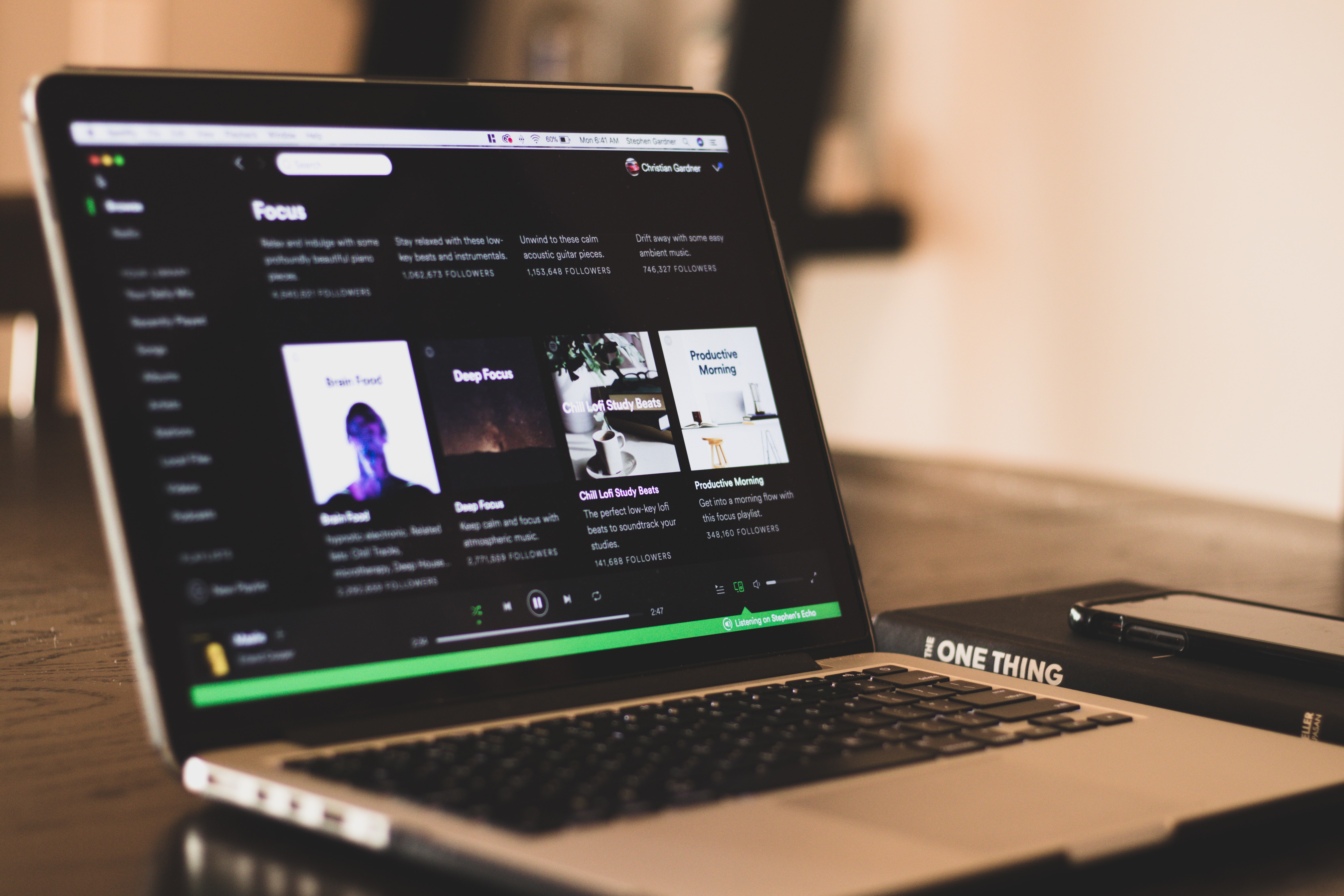
If you want to get your music on Spotify playlists, here are some steps you can take:

1. Create a Spotify for Artists account and claim your profile. This will give you access to listener data and allow you to customize your profile with images, bios, and links to your social media and website.

2. Build your presence on Spotify by uploading your music and promoting it to fans. Encourage your fans to stream your music, save your songs, and follow your profile. The more followers you have, the more likely your music will be noticed by Spotify curators.

3. Submit your music to Spotify playlists using the Spotify for Artists platform. When you submit your music to Spotify curators, make sure to include relevant information about your music, such as genre, mood, and similar artists.

4. Promote your music on social media and other online platforms to drive streams and engagement. Share your music on Facebook, Instagram, and Twitter, and encourage your fans to add your songs to their own playlists.

5. Collaborate with other artists and playlist curators to get your music on their playlists. Reach out to other musicians and music bloggers on social media and offer to collaborate or share each other’s playlists.

6. Finally, be persistent and patient. Getting your music on Spotify playlists can take time, but if you stay committed and focused on your goals, you can build a loyal following and gain more exposure for your music over time.


Music sampling is the practice of using portions of pre-existing songs to create new music. It has been a staple of popular music for decades, with countless iconic songs and hits built around sampled elements. However, the legality of sampling can be a gray area, and it’s important for artists to understand the basics before incorporating samples into their own work.

First and foremost, it’s significant to note that sampling without proper permission is illegal. This means that if you use even a small portion of someone else’s song in your own work, you must obtain legal clearance before distributing that work. Failure to do so can land you in serious legal trouble.

To obtain legal clearance for a sample, you must obtain permission from both the owner of the recorded performance and the owner of the composition itself. This can be a complex process, and often involves negotiating with multiple parties and paying fees for usage rights.

Once legal clearance is obtained, you must also properly credit the original creators of the sampled material. This typically involves listing their name and the name of the original song in the credits or liner notes of your work.

When it comes to actually using a sample in your own work, it’s important to consider the context and purpose of the sample. Simply using a sample for its own sake or as a novelty can come across as gimmicky and unoriginal. Instead, try to incorporate the sample in a creative way, using it to complement and enhance the rest of the song.

It’s also significant to note that not all sampled elements are created equal. While some samples may be unrecognizable or unimportant in relation to the finished product, others may be instantly recognizable and the basis for the entire song. In these cases, it’s especially crucial to obtain legal clearance and give proper credit.

In conclusion, music sampling is a frequently used technique in popular music, but it’s significant for artists to understand the basics of legal clearance and crediting before incorporating samples into their work. With proper permissions and a creative approach to incorporating samples, artists can create unique and memorable songs that pay homage to the original creators while adding their own creative stamp.


Streaming is the primary way that people listen to music nowadays, and for independent artists, it’s an essential way to get their music out to a wider audience and get paid for their work. However, with the rise of streaming has also come an unfortunate side effect: streaming fraud.

Streaming fraud refers to any activity that artificially inflates streaming numbers, such as buying fake streams or using bots to repeatedly play songs. While it may seem like a victimless crime, streaming fraud can have serious implications for independent artists, both financially and reputationally.

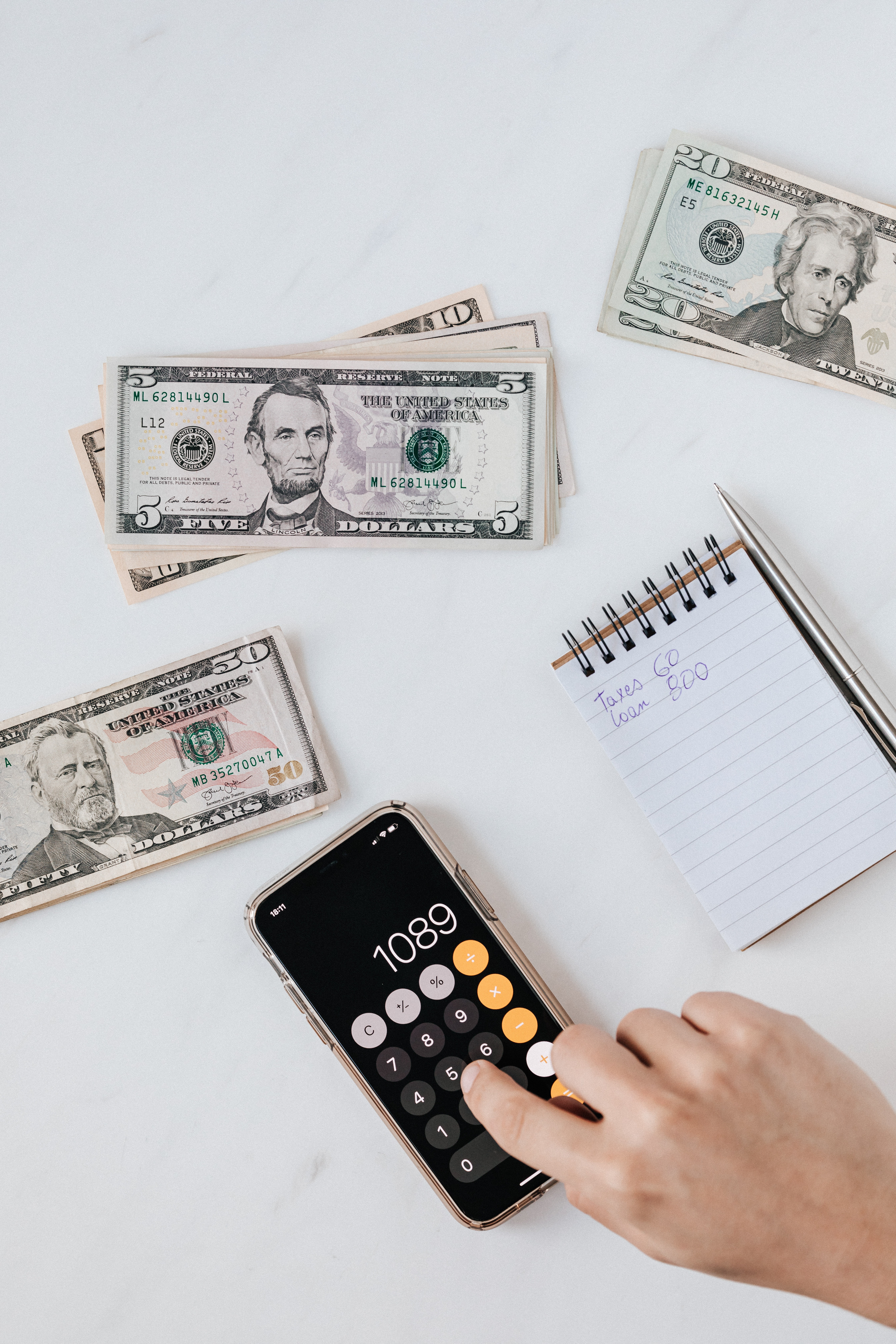
First and foremost, streaming fraud can result in lost earnings for independent artists. If you’re paying for fake streams, you’re essentially throwing money down the drain without actually gaining any real fans or exposure. Additionally, fake streams can cause issues with royalty collection, as they may not count towards official streaming charts or payout calculations.

Furthermore, streaming fraud can be detrimental to an artist’s reputation. If fans suspect that an artist is engaging in fraudulent activity, it can damage trust and credibility. This can lead to reduced streaming numbers, fewer live show bookings, and even less media coverage.

Finally, it’s worth noting that many streaming platforms are aware of this issue and actively work to combat it. Buying fake streams or using bots can lead to the suspension or even banning of your account. This is especially troublesome for independent artists, who rely heavily on streaming services for exposure.

In conclusion, independent artists should beware of streaming fraud, as it can result in lost earnings, damaged reputation, and suspension or banning of their account. Rather than wasting money on fake streams, it’s crucial for artists to focus on creating quality content, building a loyal fan base, and promoting themselves using legitimate methods.


Why you should be using Deugene Music for distribution labels

Distribution is one of the most important aspects of any record label’s business model. Without proper distribution, it’s nearly impossible to get your releases into the hands of fans and drive meaningful streams and sales.

So, what does “distribution” actually mean in the context of running a record label? Generally, it refers to the process of getting your music onto streaming services and digital download stores, as well as physical copies into music retailers and distributors. Even if you have the most incredible music out there, if no one can find it, what’s the point?

The good news is that there are plenty of distribution options available for labels, ranging from independent distributors to major label-backed services. Each company has its own strengths and weaknesses, and your choice will depend on your goals, genre, and budget.

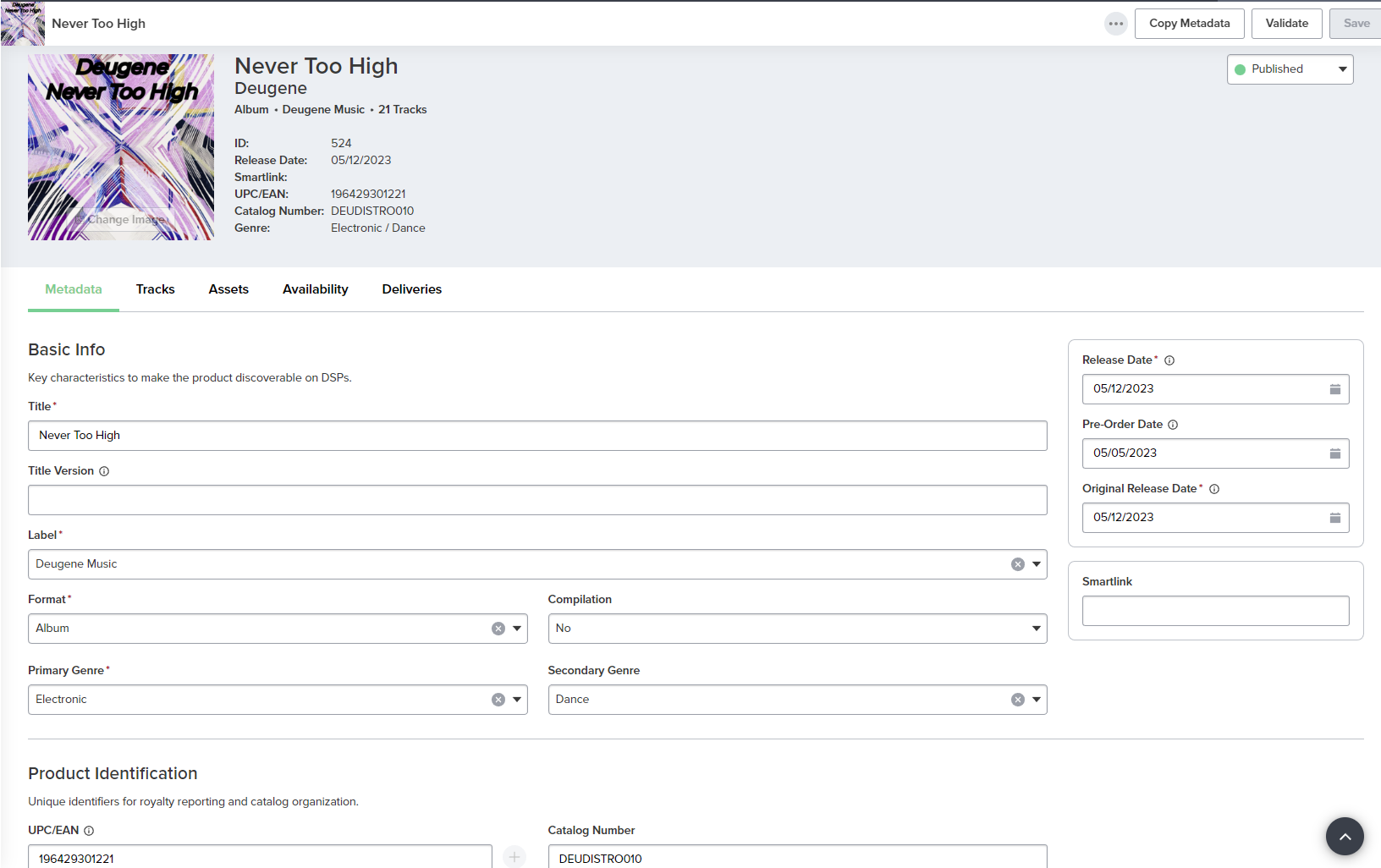
Deugene Music, key player in the music distribution.  Simple upload portals that streamline the process of getting your music onto services like Spotify and Apple Music.

Ultimately, distribution is an essential component of any label’s success. By working with a reputable distributor as Deugene Music, you can ensure that your music is reaching as many fans as possible, and that you’re optimizing revenue streams from every possible outlet. With proper distribution in place, you’ll be one step closer to achieving your label’s goals and building a loyal fanbase for your artists.


Deugene Music no longer deliver music to United Media Agency. Unfortunately, there is sanctions reason, and this means we will be removed back catalog from the store as soon as possible.

We keep eye open and if anything changed we contacted to you